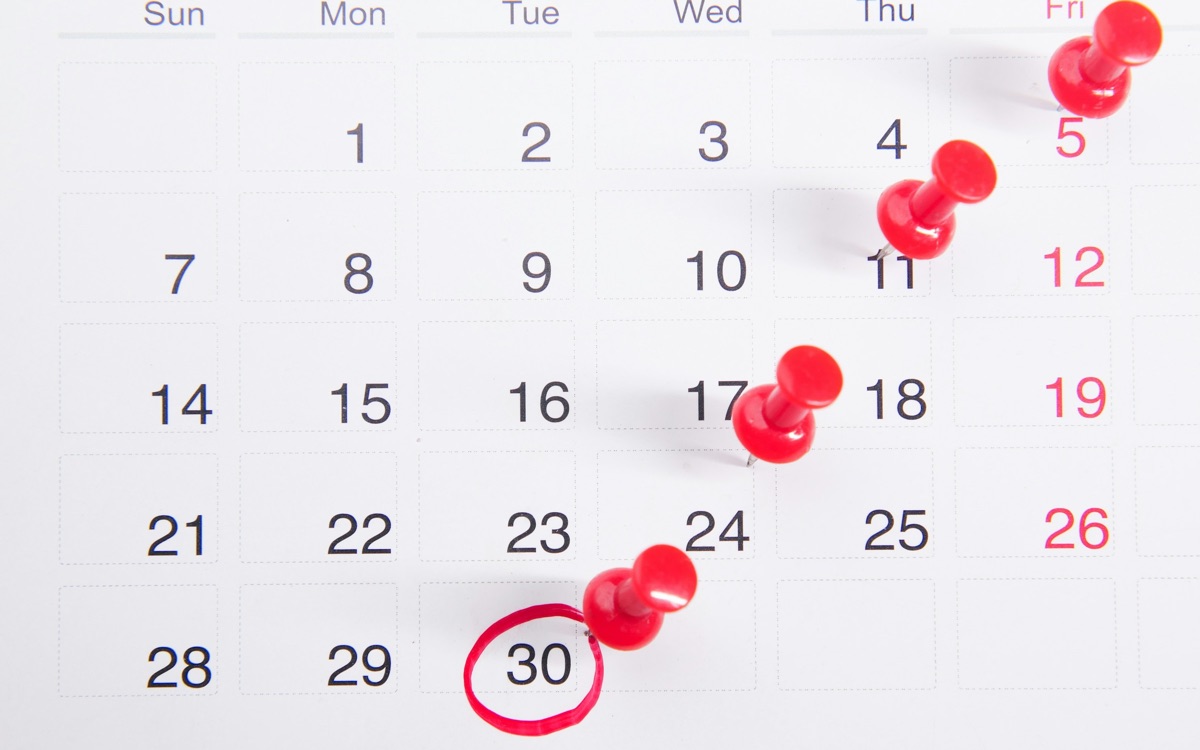
Small businesses rarely run out of things to post; they run out of time to decide what to post. A short monthly plan built from customer questions settles that decision once, so the rest of the month is just doing.
Start with the questions you already hear
For one week, keep a running list of every question customers ask by phone, by email, at the counter or in comments. Add the questions your staff answer so often they could recite the reply.
Each of these is a post waiting to be written, because if one person asked, others are wondering. A plumber's list might include how to shut off the water, what a knocking pipe means, and when a repair makes more sense than a replacement.
The questions also tell you which words customers use. Write your posts in those words rather than trade terms, so each one sounds like the answer the person was hoping for.
- Questions asked before people buy
- Questions asked after a job is done
- Questions your staff are tired of answering
Pick a simple weekly rhythm
Choose a pattern you can keep up, such as two or three posts a week, and give each slot a type. One rhythm that suits many businesses is an answered question early in the week, recent work midweek, and something about the people or the place at the end.
Consistency matters more than volume. A modest schedule kept up for a year builds more familiarity than a burst of daily posts that stops after three weeks.
- A customer question, answered
- Recent work, shown with the customer's permission
- The people or the place behind the business
- An occasional offer or piece of news
Write the month in one sitting
Block out an hour or two near the end of each month to draft the next one. Write each post's main point, choose or plan the photo, and put it on a simple calendar, even a shared spreadsheet.
Batching like this is faster than deciding every morning what to say. It also leaves room to plan around seasonal moments your customers care about, such as the first cold week or the start of the school year.
Leave one or two slots open for things that happen during the month, such as a finished project or a change in hours. A plan with some slack is easier to keep than one filled to the last day.
- The main point of each post
- The photo or clip it needs
- The day it goes out
Reuse what you make
A single good answer can become several pieces: a short video, a photo with a caption, a longer explanation on your website and a paragraph in your next customer email. Each format reaches people the others miss.
Posts that people responded to can come back a few months later with a fresh photo or an updated detail. Your followers do not see everything you publish, and new followers have seen none of it.
- Turn one answer into several formats
- Bring back popular posts with a fresh photo
- Point longer answers to a page on your website
Leave most trends alone
Trending formats and sounds come and go quickly, and chasing them often produces posts that feel borrowed and say little about your business. Join one only when it genuinely fits what you do and takes a few minutes to make.
Before anything goes out, ask whether a customer would find it useful or interesting. If the honest answer is no, that post can wait.
At the end of each month, look at which posts brought comments, messages, saves or website visits, and plan more like them. Koster Media plans and writes monthly content this way for its clients.
- Comments and direct messages
- Saves and shares
- Visits to your website or calls from your profile